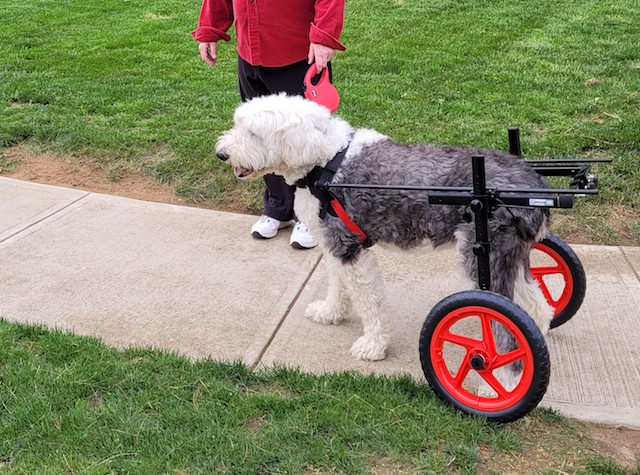
Understanding Dog Food Labels

We are becoming more aware of the value of checking the label before buying food products for our consumption and our pets. More dog owners are more conscious about what their four-legged friends eat to keep them healthy and happy. But do you really understand what you are reading?

To help you understand these labels better, we have come up with a list of the most common terms included in commercially available pet food products. We briefly explain what they mean and their relevance to your primary concern, your pet’s health.

Who Checks the Labels

First, let’s understand how these labels are produced by understanding the basic guidelines pet food manufacturers need to follow.

Two major organizations regulate the ingredients of dog food products. The Food and Drug Administration (FDA) is the institution that checks on the federal level. On the state level, most follow the guidelines set by the Association of American Feed Control Officials (AAFCO), a private non-profit organization, to study, determine and quantify the ingredients animal feeds. The two organizations constantly update their guidelines by regularly conducting safety reviews.

The US Department of Agriculture (USDA) will also come into play if a dog food product claims to be Organic. For these instances, The National Organic Program of the USDA will check if the product meets their standards for organic products.

List of Packaging Words and Phrases

Reading through the labels can be challenging to understand as the language on these dog food products. The word used on the labels can be very confusing for many consumers. We listed and categorized the most commonly used words and phrases plus vital information to help you figure out what is good and what is not so good for your pet.

Regulated Words

The words and phrases listed here are regulated and must pass specific standards to allow the manufacturer to use them. If these words or phrases are on the label, they meet the standards set by their corresponding regulating body.

Organic –Under NOP guidelines, pet foods that are Certified Organic must contain at least 95% organic ingredients. The process of growing and handling organic ingredients must also be satisfied. Manufacturers of pet foods may use the term “organic” if they satisfy the manufacturing and handling requirements of the NOP.

According to the AAFCO, dog foods can be labeled “Human-Grade” if the ingredients are fit for human consumption and the production process follows regulations suitable for human consumption. In other words, the facilities, procedures, and materials used must pass the same requirements when producing food products for human consumption.  This is actually rare and not even necessary as food requirements for a dog are different from humans.

Unregulated Words and Phrases

Any third party does not regulate the words and phrases listed below. This means that manufacturers describe their products using these words and phrases without having to prove it is true or not.

All-Natural, 100% Natural or Natural – Stating this means that the source of the ingredients must be all-natural, and the production process must be done by natural means as well. If such claims are accurate, all-natural products may lack critical vitamins and minerals needed by dogs since most are synthetic hence not naturally manufactured.

Holistic or Wholesome –it is supposed to denote a complete and balanced approach to health. In most cases, such claims can be tough to prove, especially since most pet foods cannot exhaustively list the source, production process, and quality of their ingredients to prove that they are holistic.

Common Terms

Amino Acids –Dogs need certain amino acids as part of their daily food intake to maintain their health. Most of these amino acids can be found in many protein-rich foods such as meat. Many dog food manufacturers include a list of amino acids included in their products. Here is a list of the essential amino acids for dogs that you might want to look for on your dog foods label.

  • Arginine
  • Histidine
  • Isoleucine
  • Leucine
  • Lysine
  • Methionine
  • Phenylalanine
  • Threonine
  • Tryptophan
  • Valine

Animal (Meat) Products –Dogs need sufficient protein in their diet, which they usually get from animal products. Listed here are the different categories as defined by the AAFCO.

  • Animal By-Product Meal –composed of animal tissues
  • Animal Digest –by-products of the degradation of animal tissue
  • Dried Egg Product- as the phrase implies, it comes from dried eggs removed from eggshells
  • Meat – Any muscle from mammals, including the blood vessels, diaphragm, esophagus, fat, heart, nerves, tongue, and skin
  • Meat and Bone Meal- Any bone and other tissue from mammals
  • Meat By-Products –any unprocessed body parts of mammals, which include bones, blood, and other organs
  • Meat Meal – all mammal tissue
  • Poultry – Any muscle from domesticated birds, which may include the blood vessels, diaphragm, esophagus, fat, heart, nerves, tongue, and skin
  • Poultry By-Product – Whole poultry carcass, which includes feet, head, and organs
  • Poultry By-Product Meal – tissue from poultry, which includes undeveloped eggs, feet, neck, and other organs
  • Poultry Meal – any poultry tissue that does not include the feathers, feet, head, and organs

Fats and Oils –These are necessary to your pet’s health since they give energy and other health benefits. Fats and oils also have the added benefits of making dog food more palatable and fun to eat. Listed below are some of the essential fats and oil.

  • Omega-3 and Omega-6 – antioxidants that help prevent inflammation and promote healthier hair, skin, and joints
  • Animal fat – the primary source of Omega 6 fatty acids. It may also come out as chicken, beef, or pork fat on the product labels.
  • Coconut or Palm Kernel Oil – This may help improve cognitive function in senior dogs
  • Fish Oils – This is a primary source of Omega 3 fatty acids. Also called salmon oil.
  • Glycerin – has no health value; used mainly to keep the food soft and moist.
  • Vegetable Oils – Also a source of Omega 6 fatty acids;  may also present as canola oil or sunflower oil

Gums –These help keep your dog’s colon and intestinal system healthy.The most common types of gum used on dog food are carrageenan, cassia, guar, and xanthan.

Hydrolyzed Protein –This type of protein is hypoallergenic, easy to absorb, and digest extracted from vegetables and poultry feathers.

Legumes –A variety of beans or lentils used as an alternative to grains, it may include any of the following:

  • Pea fiber – Insoluble fiber derived from ground pea hulls
  • Pea protein – Source of iron and lysine to promote healthy muscles and build immunity
  • Soybean flour – Source of various vitamins and minerals such as essential amino acids, fiber, fatty acids, B vitamins, potassium, and protein.

Minerals –Mineral supplements are usually added to dog food. For example, sodium chloride is typically added to stimulate increased water consumption. The most common minerals added to dog food in varying amounts are Calcium, Chloride, Magnesium, Phosphorus, Potassium, Sodium, Sulfur, etc. Other

Natural Flavors –Typically in the form of broth or spices, this can be a combination of any ingredient to enhance the flavor of the food that must comply with AAFCO’s standard for natural ingredients.

Plant Products –These products are the primary sources of carbohydrates, fiber, and even some protein in dog food. Here are some of typical plant products found in dog food.

  • Cellulose – Fiber source that also prevents your dog from overeating
  • Grains  – Refers to any grains such as barley, corn, oats, rice, rye, or wheat
  • Grain By-Products – This may refer to any of the following:
    • Bran – Contains fiber, Omega-3, minerals, and vitamins
    • Endosperm– Contains starch and gluten, sources of energy and protein
    • Hull– Roughage
    • Meal and flour or ground grain – Contains high starch levels for energy
    • Middling – By-product of milling grain; Good source of fiber, protein, and phosphorous
  • Whole Grain – No part of the grain is removed.; bran, germ, and endosperm of the grain are intact
  • Refined Grain – bran and germ are removed; retains only the endosperm
  • Corn – This can be any of the following:
    • Corn flour, cornmeal, whole corn, or ground corn – Source of carbohydrates for energy
    • Cornstarch –Hypoallergenic product used as a thickening agent
    • Corn gluten – Source of protein

Preservatives –These areingredients used to preserve food longer and increase its shelf-life. Common natural preservatives include ascorbic acid, calcium propionate, and mixed tocopherols, while artificial preservatives, which tend to be more effective, include BHA, BHT, and Ethoxyquin.

Probiotics –These are beneficial bacteria introduced to the GI tract. They promote a healthier digestive system. They also help prevent inflammatory bowel disease and gastroenteritis and decrease the effects of food allergies. Examples of probiotic formulas are bifidobacteria, enterococcus, and lactobacillus.

Root Vegetables –This may include any of the following:

  • Beet pulp – Contains fiber
  • Cassava root flour –Contains carbohydrates for energy and minerals such as iron, manganese, and zinc
  • Potato protein – May be added for prescription pet foods
  • Potato starch – Used as a substitute for grain
  • Potatoes – Contains carbohydrates for energy

Vitamins -Vitamin supplements are also usually added to the label and are typically shown by their popular names such as Vitamin B, C, or Biotin.

If you want to dig deeper, check the Guaranteed Analysis, which you will find on all commercially available dog food labels. Look for the AAFCO Nutrient Requirements for Dogs and compare it with the label’s Guaranteed Analysis. If the percentages in the Guaranteed Analysis are within the AAFCO standards, then the dog food is probably a good choice. 

Special Diet for Disabled Dogs

The recommended nutrient values for dogs typically hold true across all breeds. The difference is the amount of food you give based on their size. Smaller dogs tend to have a higher metabolism, so they need relatively more calories than large ones.

Most commercial dog food would provide the recommended quantities per weight range right on the label. Your dog might want more or less than the suggested amount, depending on individual peculiarities. You will be able to tell either way if your dog is gaining or losing too much weight. Check out the typical weight range according to breed and gender here.

But another factor that might come into consideration is the activity level. Dogs with high activity levels will require more fat than sedentary dogs, so pay special attention to the fat content in the Guaranteed Analysis. Disabled dogs typically qualify as sedentary because of their limited mobility, unless they regularly use dog wheelchairs, in which case they should do fine with the regular diet for a dog their size.

Final Note

Knowing what is on the label and understanding what they mean and their purpose will definitely help, but there is a faster and shorter way of finding out if the dog food you are checking is safe and healthy for your dog. Look for the following phrase “This product is formulated to meet the nutritional levels established by the AAFCO Dog Food Nutrient Profiles.” If you see this, you have the assurance that a specific dog food product is safe and healthy, providing a complete and balanced meal.

As always, when in doubt, consult with your vet. Your dog might have special needs you don’t know about that would affect your choice of dog food ingredients.

Tags: ,

The Lowdown on Pet Wellness Plans

Most pet owners know the costs associated with pet care. Vet visits, treatments, and medications can really roll you up when your pet gets sick. Pet insurance covers many healthcare costs when something goes wrong. However, the saying that an ounce of prevention is worth a pound of cure is true in many cases. Pet wellness plans represent that preventive ounce you should consider, ensuring the well-being of your pets and pocketbook.

What is a pet wellness plan?

A pet wellness plan is preventative. It helps cover the cost of regular vet visits and pet health care. Depending on the plan, it could cover the following services:

  • Wellness examinations
  • Routine blood tests
  • Routine vaccinations
  • Spaying or neutering
  • Parasite screening and prevention
  • Microchipping
  • Nail and ear cleaning
  • Dental cleaning
  • Heartworm prevention

The point of a pet wellness plan is to keep the pet as healthy as possible to avoid future problems or developing diseases. It does not cover emergencies such as injuries or unexpected events such as degenerative diseases

Most pet wellness plans require pet owners to pay for services upfront, and the plan provider will reimburse it upon receiving the invoices. In some cases, the plan provider will provide the covered services, so there is no need for reimbursement. Wellness plans typically have a cap on annual benefits.  

What’s the difference between a pet wellness plan and pet insurance?

Pet wellness plans focus on prevention, while pet insurance covers unexpected events like accidents and illnesses. While plans differ by provider, below is a general comparison of what pet wellness and pet insurance plans cover.

Pet WellnessPet Insurance
Annual examsAccidents
Spay/neuterIllnesses
Routine blood workEmergency care
Heartworm screeningCongenital and hereditary conditions
Fecal testingOrthopedic conditions
UrinalysesPrescription medications
Routine vaccinations  such as rabies, Bordetella, giardia, DHLP, parvo, LymeX-rays, MRIs, CAT Scans, Ultrasounds, etc.
Teeth cleaningRehabilitation and Therapy
Flea, tick, and heartworm treatmentsSurgical procedures
MicrochipHospitalization

Are Pet Wellness Plans Affordable?

The costs of a wellness plan will depend on the provider and coverage, but a subscription typically costs between $15 to $35 a month for an adult dog. You can use your pet wellness plan on its own or combine it with pet insurance to cover all your bases.

In most cases, you prepay for pet wellness services, so it is to your advantage to ensure your pets get regular wellness checks and screenings. In addition, pet wellness services keep incipient diseases or conditions from getting worse, generally reducing treatment costs.

Some Pet Wellness Plan Providers

Like pet insurance, pet wellness plan providers offer catch-all plans for anyone in any or most states in the US. However, before committing to a subscription, ask your vet if they offer a pet wellness program. You might get a better deal, and you’re putting your money back into your community. If that is not possible, consider one of the plan providers below.

PawPrint

PawPrint offers a pet wellness plan that comes with an app, so it is easier for pet owners to set appointments and medication reminders and access health records. The plan uses the reimbursement model, so you need to pay upfront for services. The advantage is that you can go to any vet or lab for routine checkups and testing at your convenience.

The monthly subscription for PawPrint Wellness is $20 and covers more than $400 worth of services a year. Check the website for a complete list of covered benefits.

Overall, PawPrint Wellness is an affordable and convenient way to keep your pets healthy. The app is a nice touch.

Wagmo

Wagmo offers both pet insurance and pet wellness plans. The standalone pet well plans offer typical services under three price tiers: Value, Classic, and Deluxe.

The subscription plans differ in the annual cap for reimbursements. Value is $20 a month with a cap of $350. Classic is $36 a month with a cap of $650. Finally, Deluxe is $59 a month with a cap of $1,100.

Some services are only available for Classic and Deluxe, including urinalysis, grooming, and parasite medication. Overall, Wagmo is a bit pricey and not available in all states.

Check the Wagmo website for more details on their covered services under each plan.

Nationwide Pet Wellness

Nationwide Pet Wellness is under the umbrella of a national health insurance brand, but it is a standalone product. You do not have to purchase pet health insurance to avail a pet wellness plan.

Its pet wellness plan covers standard checkups and services at the cost of $12 to 18 a month for up to $400 annual reimbursements for the Basic Plan. The Plus plan costs between $17 and $22 for up to $550 yearly reimbursements. The plan cost will depend on the pet species and state.

While this is the most affordable plan on the list, you should consider that reimbursements may take a long time. Because it is under a traditional insurance company, the process typically goes through many stages before you can get your money back.

Check the Nationwide Pet Wellness website for a complete list of covered services and conditions of service.

Summary

A pet wellness plan is an excellent idea to ensure your pet’s continued good health and well-being. The $20-odd you will spend on a monthly subscription is well worth it, as healthcare costs will be more than that in the long run. In addition, having one will motivate you to give your pets routine care.

Tags: , ,

The Skinny on Skin Problems for Dogs

Dogs are prey to skin problems, especially senior and mobility-challenged dogs because they are not as physically active as their younger and mobile counterparts. You need to pay close attention to symptoms so you can address the issue as soon as possible.

Skin problems may occur due to an underlying health condition as well and are more likely to come out in the summer when allergies abound. The problems could be mild, which you can easily treat and will go away after a while. However, serious skin conditions can lead to long-term problems for your dog. In either case, you need to treat them to keep them from getting worse.

The first order of business is to recognize there is a problem, and that requires knowing the symptoms of possible skin diseases. Check out the list below and get enlightenment.

Common symptoms of skin problems for dogs

Dogs itching and scratching may be common, but it is not normal if it is frequent or prolonged. In most cases, they are a symptom of a skin problem, but it may not be immediately apparent what type. It could be a mild case of heat rash or it could be something much more serious. Licking is also a sign that a certain area of the skin is irritated.

Other symptoms you might want to pay attention to are the following:

  • Bumps
  • Dandruff
  • Dry Skin
  • Hair Loss
  • Lumps
  • Rashes
  • Redness
  • Skin Sores

Make a point of checking your furry buddy for any of these signs. If your dog has a bout of serious scratching right after a meal, during summer or winter, or after you’ve made a run with the vacuum cleaner, it could be some type of allergy. Let your vet have as much information as you can to make a diagnosis of the problem easier.

Common types of skin problems for dogs

Dogs suffer from common skin problems such as allergies and infections. You need to consult your vet every time. However, knowing which ones your dog might have based on the telltale signs will give you a good idea of the urgency of treatment.

Environmental allergies

Dogs that suddenly start scratching their face, stomach, or chest like mad are probably allergic to something in the environment. Dogs get atopy the same way humans get hay fever, but the reaction of dogs is to get scratchin’.

The most common culprits for atopy are pollen, dust, mites, and grass. That usually requires contact so remove anything new around your dog such as a new plant to keep them from scratching and hurting themselves. It might also be a good idea to keep your dog’s nails clipped.

If you’re not sure if your dog has atopy, bring him to the vet. A blood test will confirm to which allergens your dog might be reacting. Sometimes removing the offending objects can clear the problem right up, but in severe reactions, your dog might require treatment. Tablets, shampoo, and injections are real possibilities.

Food allergies

Your dog might also be scratching their feet, ears, and face because they are allergic to their food. They can develop an intolerance for food they have been eating for a while, so don’t start scratching your head when it happens. The most common dog allergies involve beef, eggs, chicken, and dairy although some dogs get the itchies when they eat anything with wheat or veggies.

To find out if your dog has a food allergy, start eliminating any food you give them one by one. It can take between 8 to 12 weeks to find out which are the culprits. Don’t give in to doe-y eyed pleading for their favorite snacks once you start the elimination process or you’ll never get a clear result.

Folliculitis

This condition sounds painful, and it can be if allowed to continue. Folliculitis, or inflamed hair follicles, happens when your dog has an allergic reaction to the environment or food. It can also happen when your dog has mange (ew). Folliculitis presents as bumps, sores, and scabs on the skin. In most cases, the vet will give you antibiotics and antibacterial ointments to soothe the skin.

Impetigo

If you have a puppy and you see blisters on the skin of its stomach, it might have impetigo. This is a symptom of a serious sin condition, so don’t try to treat it yourself. Go to the vet for a diagnosis and proper treatment. The vet might recommend antibiotics or prescribe a wash to treat the symptom.

Ringworm

Ringworm is not a worm but a fungus, and it is highly contagious to humans and other dogs. Our dog probably has ringworm if you see crusty bald patches on the skin of the head, ears, front legs, and paws. The skin may be inflamed and irritated from scratching.

Consult with a vet immediately to get a topical prescription to kill the fungus and keep it from spreading. It can take as much as 8 weeks for it to clear up. In the meantime, avoid contact with those areas and always wash your hands after handling your dog.

Yeast Infections

Your dog may develop yeast infections in the toes, perineum, and groin because those are warm areas. The yeast will discolor the skin and thicken it, causing the dog to scratch and spread it. It is the usual source of that unpleasant “wet dog” smell. Ask your vet for a topical cream or wash to treat infected sites.

Mange

Mange is a result of dog mites that live in the skin and hair of your pets. The mite’s bite causes a severe allergic reaction, causing the dog to scratch at it incessantly. Mange will also cause the dog’s hair to fall out, hence “mangy mutt.”

Bring your dog to the vet for a skin test to find out if it has mange. Treatment usually involves tablets and a special shampoo that kill mites. These will also ease the inflammation and itching.

Summary

Many of these skin conditions will probably cause goosebumps to crawl over your skin, but fortunately, those will go away. Your dog’s skin problems will not. Always consult a vet at the first sign of a skin disease to keep it from getting worse.

Tags: , ,

What to Expect When Caring for a Disabled Pet

Whether it is through age, injury, or adoption, there might come a time when you will face the challenge of caring for a disabled pet. Here is what to expect when that time comes.

Caring for a pet is always going to involve a certain amount of commitment. When it comes to a mobility-challenged pet, the stakes become so much higher. For one thing, the care of disabled pets requires significantly more time and money.

For another, the mental, emotional, and physical toll can be considerable on you as the pet owner. That is not to say that your disabled pet is not worth all of this. However, you need to manage your expectations and take an honest look at your capacity to provide the care they need.

Some facts

Before we get to the practical details of what to expect when caring for a disabled pet, you need to consider a few facts.

Animals feel no self-pity

It is natural to feel sorry for disabled pets, especially if they have not always been like that. However, animals do not have the same capacity for self-pity as humans. Disabled pets do not feel sorry for themselves. As far as they are concerned, everything is just peachy. As long as their owners provide them with reasonable care, they will live a full and happy life.

Things will change

The biggest challenge to caring for disabled pets is the capacity of owners to adjust to a changing situation. Most mobility-challenged pets have a problem going to the bathroom, so you, as the owner, will have to address this and other issues that might arise. If your pet is an amputee, you should be aware that they tend to become obese or develop osteoarthritis, so you will need to brush up on the proper exercise for them.

Support groups can help

Unless you have cared for mobility-challenged pets before, chances are you will have no idea how to manage. Support groups online can give you valuable advice and tips on coping with the extra challenges you will face. They might even help you connect with charities that can help you with costs.

Here is what to expect

Now that these facts have burned into your brain let’s get on with what to expect.

Resources are available

When you first embark on disabled pet care, you will quickly realize just how much material there is on the subject. You can get the first hand from your vet or the aforementioned support groups. You can also get a lot of sound advice from animal behaviorists, rescue animal professionals, and trainers. They have the knowledge and experience to make the transition a lot less overwhelming.

These pros will also be the first ones to tell you if you are a good fit as a pet owner with a particular disease or disability. Don’t feel bad if you get that kind of feedback. They only have you and your pet’s best interest in mind.

Costs can escalate

Pet disabilities can take many forms. For many pets with mobility issues, a wheelchair could be all they need to have a near-normal amount of physical activity.

However, some disabilities might require more investment in therapies, vet visits, medications, special equipment, and even food. Some pet insurance policies might cover some of your expenses, but not if the cause of the disability is a pre-existing condition.

The point is that costs can pile up when caring for a disabled pet. While you might feel that money is no object when caring for your fur baby, your bankbook might not agree.

You can get an idea of how much you can expect to spend on your disabled pet. Ask those among your support groups who have been there and done that. At the very least, you will have less of a sticker shock when the time comes to pay the piper.

Time is of the essence

The most important consideration when preparing for disabled pet care is time. Some conditions will be more time-consuming than others, so you have to keep that in mind. For example, an incontinent pet means you have to be very patient about the clean-up or diaper changes.

Just how much time can you dedicate to pet care in the long term? You cannot afford to be self-delusional here. If you have a full-time job or a houseful of children, the time element will be a significant factor in managing your expectations.  

Making tough decisions

While pet disabilities are not always a significant drain on your resources and patience, you need to know if they might be in your situation. Listing down what to expect when caring for a disabled pet can help you decide if you are up to the challenge.

However, you need to be completely honest with yourself, especially if you already own a pet with a disability. If you are not fit to care for a disabled pet, the responsible thing is to find someone with the capacity. Reach out to support groups for help with finding a good home for your pet.

If you are thinking about adopting a disabled pet, think very carefully about everything we just discussed above before taking the plunge. You might be depriving the disabled animal of the chance to find a family who can handle it.

Tags:

How to Choose a Vet for a Disabled Pet

If this is the first time you have ever had to care for a disabled pet, choosing the right vet can be a challenge. Chances are, you already have a favorite vet for your furry friends. However, some vets may not be on the same page when it comes to the lengths to which pet owners will go to care for their pets especially when dealing with special needs. Some vets may also not subscribe to alternate therapies for disabled pets that you might like to try. It is important that you and your vet see eye to eye when it comes to the proper care of your pet. Here are some things to consider.

House calls

One of the first things you need to find out is if your vet is willing to come to you. Some vets do make home visits, which is a big plus if you have a large pet. Transporting a mobility-challenged German Shepherd, for instance, is no joke. However, you might find this a rarity if you live in the city, as mobile vets tend to be in rural areas where they are used to servicing horses and other large animals. A dog wheelchair would come in handy if you cannot find a vet to make house calls.

Flexibility

You want a vet who will not make you come to the clinic for every little thing. This shows that he or she has a good understanding of your pet’s condition. As willing as you might be to bring your pet in, it actually is not a good idea to bring your disabled pet out unnecessarily as in many cases, their immune system is compromised. If your vet is willing to phone in a prescription for common medications, that will save you a lot of trouble, and some money as well.

Of course, that requires a lot of trust on the part of your vet, so make sure you are deserving of it. If there is a new development in your pet’s condition, make sure your vet is aware of it so that he or she can determine if a clinic visit is necessary.

Experience

In most cases, you want a vet that has some experience with the condition of your disabled pet. On the other hand, you also want one who is open to new ideas, and that is not always the case for veteran vets. The safe thing to do is find an experienced vet who is familiar with the latest technologies and treatments, but will not prescribe the newest thing without looking thoroughly into it. In many cases, the old ways are still the best ones.

Friendly staff

Another thing you need to consider is the staff. You want them to be supportive of you and your needs. A vet might be fantastic at the job, but if you have no rapport with the staff, then you will find the experience very frustrating. Staff members should be able to remember your pet’s history, or at least take the trouble to find out, every time you make a visit. This is to spare you the frustration of having to explain the situation every time as well as making you feel that your pet is getting the necessary care. They will also accommodate you whenever they can, from making it easy to get a prescription or squeezing you in for an emergency appointment.

Of course, you also need to be easy to accommodate. Show them appreciation for the service they give you, and be open and flexible when you need to compromise on anything. Your pet will benefit from all that goodwill.

Conclusion

Caring for a disabled pet is highly stressful albeit rewarding. Finding a vet who understands the exigencies of your situation is a treasure beyond price, but it is not easy. In many cases, you will have to do some trial and error before you find a good fit. When you do, make sure you share your good fortune with others who might be in the same situation.

Tags:

Keeping Your Pet Entertained While Recovering from an Injury or Surgery

An active, elderly, or disabled pet can sustain an injury quite easily, or require surgery that can keep them out of commission for a while as they recover. Keeping your pet entertained in the meantime could be your next big challenge.

When your pet is recovering from an injury or surgery, the vet will typically impose restricted activity, the extent of which will depend on the nature of the injury or surgery. In some cases, the vet may recommend a dog wheelchair at some point to help an injured pet stay active and help in the healing process, but even then, your dog can only spend so much time in a wheelchair.

In a majority of cases, you will need to make sure your pet moves as little as possible for a specified amount of time (ask your vet), and may even require confinement in a crate or cage to make them stay put. The big issue with a pet that has undergone surgery such as neutering when they move too much is the stitches. If they go, the wound will open and delay the recovery period, which can be several days to several weeks.

If your pet has high energy, keeping them entertained is the only way you can hope to keep them quiet. Dogs are particularly rambunctious, so here are some things you can try to stimulate their minds. Make sure to get your vet’s approval before you do.

Teach them new tricks

If you have always wanted to train your dog to obey your commands, then this is the perfect time to do so. Obviously, “fetch” and “roll over” are some things you want to avoid, and “play dead” may seem like a bad joke. However, you can take this time to teach your dog the “drop it” command that could potentially be life saving. At any rate, it will teach your dog to leave your slippers and socks alone in the future. Other commands you can hammer in are “watch me,” speak,” “shake,” “quiet,” and of course, “stay.”

Target training

No, you will not be handing your dog a gun for this activity. Targeting in dog training parlance is to teach your dog to touch an object such as your hand or a piece of paper with the nose or paw. In most cases, it involves a cue word such as “touch” or “tap” and holding the object close to the nose or paw of the dog. When your dog touches the object on command, you reward with a treat. Hand targeting is especially useful when you want your dog to follow you around by simply showing them your hand. You can follow these steps teach your dog targeting.

Follow the nose

Nose work sounds a little word, but it is a very useful skill to teach your dog because it makes them into regular Sherlock Holmes! While regular nose work training requires some physical activities and some smelly accoutrements, you can follow the same principles for your dog in recovery by hiding treats under plastic cups. It will stimulate their mind and motivate them to stay put while the cups are in place!

Puzzling games

Puzzle games have become popular of late for keeping your pets entertained, but the entertaining part is probably on the part of humans watching their pets try to figure it out. Nevertheless, a well-designed puzzle can keep them occupied for a while, especially if they come with treats!

Toys galore

Dog toys are not always the answer, especially for older dogs, but it can keep puppies and young dogs occupied. If you don’t want to go out to buy toy (because of the pandemic) or you’d rather not spend money on them, you can try making some DIY toys. Some are even edible! That’s always interesting.

Trank option

It sounds extreme, but tranquilizing your pet might be your only option if he or she is feeling pain or discomfort. They will tend to move around trying to get comfortable and are not likely to pay much attention to any of the activities above. Consult your vet about when and how to administer a tranquilizer, especially for the first few days of recovery.

Summary

Keeping your pet entertained while recovering from an injury or surgery is going to take time and effort, but it will be better for everyone in the end. Once your pet recovers fully, you will reap the rewards of an upskilled, confident, and obedient companion.

Early Signs Your Dog Might Have Mobility Issues

Early intervention for any disease is often the best way to stave off the worst consequences. Dogs can suffer from disease s that will eventually lead to loss of mobility, and detecting the signs early can make a huge difference in their lives.

Mobility issues are more common among some breeds than in others, although osteoarthritis might eventually develop in all breeds after a certain age. That said, some breeds are more likely to develop mobility challenges because of Intervertebral Disk Disease (IVDD) or hip dysplasia.  

The problem with dogs is they don’t really complain until the problem is well advanced or when the symptoms are more pronounced. By that time, aggressive therapy and rehabilitation might be required, which you want to avoid. Here are some early signs your dog might have mobility issues and some things you can do to help.

If you suspect your dog has any type of physical problem, check with your vet as soon as possible.

Less grooming

Dogs regularly groom themselves, although not as ostensibly as cats. Grooming includes shaking their body or head when wet and licking whatever part of their body they can naturally reach. If you notice your dog becoming much less interested in contorting to clean their genitals or more tolerant of being dripping wet, then it might be because their joints and/or limbs are stiffening up or it causes them pain to do anything vigorous such as shaking their whole body.

Another sign of this loss of enthusiasm in keeping clean and dry is when they start soiling themselves. They might be having difficulty in squatting or raising their leg to poop or pee, so they end up missing the mark, so to speak.

Make a point of easing their discomfort by toweling them dry, giving them a good brushing regularly, and help with cleaning up when you notice a hit and a miss. You might also want to keep your dog’s nails short as long nails can make it more difficult for them to walk comfortably if they are in the early stages of mobility challenges.

Less eating

People tend to have less interest in food when feeling out of sorts, and the same applies to dogs. If your dog is eating less, it may be due to pain. Alternatively, your dog might be eating less because they are not comfortable standing or bending their head down for long periods of time or the walk down the stairs might be giving your dog pause.

The best thing you can do is to place the water and food bowls at a height at which your dog seems most comfortable, and to place the bed on the same floor to minimize the need for stairs. If you suspect pain is robbing your dog of an appetite, get the advice of your vet on how to relieve it.

Less play

Some dogs are born couch potatoes, but most revel in physical activities. Of course, older dogs do tend to be more sedate than younger ones, but any sudden drop in play and exercise is definitely suspect. If you usually feel like your arm is about to fall off before your dog finally gets tired of playing fetch, and then that is no longer the case, it is a sign that there is something going on.

Your best play (pun intended) is to continue with your dog’s favorite exercise or activity but at a slower pace and/or for a shorter time. It will keep your dog healthier even as you take steps to address possible physical problems.

Less welcoming

If you’re used to your dog flying through the door as the first whiff of your homecoming, and one day it’s more like a faint wave when you walk in the door, you might want to take notice. A normally rambunctious pet that follows you wherever you suddenly couldn’t be bothered is probably not a sign of loss of affection, but the onset of some type of physical disability.

Instead of taking offense, make much of your dog when you get home to continue the interaction. Make sure your dog has a comfortable bed or rug in the same room where you spend the most of your time to create an opportunity for interaction, and to keep your dog from feeling left out.

If your dog has fuzzy paws and tends to slide around your shiny hardwood or ceramic floors, lay down area rugs or carpet runners to keep them steady on their feet.  You might also want to provide your slippery-footed dog with floor gripping accessories such as ToeGrips.

Conclusion

Keeping a weather eye out for small signs of incipient mobility issues can help you stave off the worst of it later on. Consult your vet about possible early interventions and do your best to be proactive with small adjustments to your home and interaction to ensure the comfort and well-being of your dog.

Tags: ,

CBD Oil and Pet Anxiety: What’s the Sitch?

When it comes to keeping our pets happy, it seems anything is open for discussion. How about CBD oil?

A growing number of pet owners are in step with this wellness trend. A report by a cannabis market research firm found that the pet category for CBD oil products increased more than 900% in 2019. This followed the passing of the 2018 Farm Bill that made it easier for people to sell CBD products due to the lifting of some legal restrictions. Even Cesar Millan of Dog Whisperer fame is jumping on the CBD oil product bandwagon. However, what do we really know about it? Here’s the sitch.

CBD Oil: What it is

CBD oil comes in the form of lotions, capsules, and treats. The full name of CBD is cannabidiol, which is a compound present in hemp and cannabis, the basic source of marijuana. If that sounds a bit iffy to you, don’t worry, CDB oil does not have that little something that gives you a marijuana “high.” The compound, THC (delta-9-tetrahydrocannabinol) , is not present in commercially-available CBD oil, and most do not actually come from marijuana at all.

At any rate, the important thing to note is that CBD oil is not going to be the gateway drug for your pet in any way. The question is, what does it do?

CBD oil use

The major reason pet owners consider using CBD oil is to help their pets overcome issues such as pain, seizures, anxiety, and even some skin diseases. Proponents also claim it can stimulate the appetite, suppress nausea, work as an anti-cancer agent, and improve cardiac function.

However, there is no real research into the efficacy of CBD oil when it comes to dogs and other pets. Some researchers have carried out studies, but the sample sizes have been small, so they are not definitive. Scientists concede that cannibinoids in general can help in keeping the body in a healthy and balanced state, but not, it seems, CBD oil in particular.

Anecdotal evidence alone indicates that CBD oil is effective in alleviating some pain symptoms, particularly neuropathic pain, and controlling seizures in pets. There is a move to sponsor a study into the effects of CBD oil in treatment-resistant epileptic dogs by the AKC Canine Health Foundation in partnership with the Colorado State University, but that is for the future. Right now, there is no concrete evidence that CBD oil works as claimed in pets.

Those that claim the efficacy of CBD oil say it is important to give the pet the right dosage for the desired results. However, since there is no real study on this, any site that make recommendations for this would go more in the category of best guess than any scientific-based knowledge.  This is a classic chicken-and-egg scenario.

CBD oil side effects

Since there has been no scientific study on the use of CBD oil in pets, there is no data on possible side effects. However, there have been studies on its effects on humans, which could be a suitable proxy for pets until future data says otherwise. It is worthy to note that the Food and Drug Administration has not approved CBD oil or published a dosage chart for pets, so no one knows what would represent a toxic dose.

The possible side effects of CBD oil in pets include:

  • Small dip in blood pressure
  • Light-headedness
  • Dry mouth
  • Drowsiness

Note that these potential side effects save perhaps for drowsiness are not necessarily observable to the pet owner, and drowsiness might be expected as CBD oil is supposed to have a calming effect on the pet. Increased thirstiness might indicate dry mouth, but that might only mean the weather was hot.

What you should know is that more is not necessarily better. While CBD oil is generally believed to be safe to use in small doses, there is always the risk of adverse reactions. Vets are not even allowed to recommend the use of CBD oil of vets. When considering dosing your pet with CBD oil, check with your vet first. Your vet cannot recommend it, but he or she can determine if it will harm your pet if you choose to try it.

Choosing CBD oil products

Vets generally advise caution when it comes to CBD oil. Despite its popularity, there has been no potential benefit seen in using it to help with your pet’s health issues. However, if you decide to try it anyway, you should know that not all CBD oil products are good quality. To maximize any potential efficacy, choose a product that is:

  • Organic, to ensure there are no harmful solvents or pesticides in the mix
  • Not too cheap, as good quality CBD oil will probably be a bit on the pricey side
  • Certified with regards to the CBD oil content (significant) and absence of THC
  • In liquid form such as oils or tinctures, which are easier to administer and control in terms of dosage

Tags: , ,

Facts About Pet Insurance You Probably Didn’t Know

About 180 million pets have cost their owners about $60 billion a year, an estimate released by the North American pet Health Insurance Association. This includes about $15 billion spent on veterinary care, which is the third highest in terms of pet health expenditure.

Most Americans certainly have practical knowledge of the high cost of vet care, which compares unfavorably with the costs associated with getting pet insurance policies for 1 million pets at a cost of $595 million, or an average of $595 per pet annually.

It might seem a lot to spend on your pet, but it might be well worth it. The first pet insurance health policy issued was in 1982 to television star Lassie, so it is quite a new option as far as insurance goes. However, by 2009 the number of policies issued per year has risen by an average of 13.2%, so there is clearly a demand for them.

For many pet owners, the trick is finding the pet insurance that will give them the most bang for their buck.  While there are some top contenders, the best one for a particular pet will really depend on specific situations and the most likely scenarios in which insurance would be a viable option. This article will deal with what you need to know about pet insurance.

Don’t think of it as health insurance for people

Just because your pet is eerily human in many respects and you consider him or her as part of your family, this doesn’t mean the insurance company will as well. For insurers, your pets are property, and an insurance policy for them will read much like property insurance. This is not necessarily a bad thing, as property insurance policies, and by extension pet health insurance policies, are much easier to understand than your own health insurance policy.

Additionally, the following conditions are typical in pet insurance policies:

  • You can choose any vet you like as long as the vet has a valid license. There is no such thing as in-network vets, so you can go to any vet without having to worry about paying out-of-pocket expenses.
  • You can choose to cover accidents and illnesses, only accidents, or extended conditions.
  • You pay just a monthly average premium of $14 for barebones (no pun intended) plans up to $98 for plans with the most coverage for dogs, and this is even lower for cats. The premiums can vary slightly depending on a few factors including the breed and age of your pet, you location, and any add-ons you choose for the policy.

If you are familiar with basic insurance terms, it can be relatively easy to understand your pet insurance policy. In most cases,  you pay a premium and you pay a deductible before coverage kicks in. The deductible is usually between $100 and $250 annually, meaning your insurance coverage kicks in when you exceed the deductible at any time during a calendar year.

In some cases, you might have a fixed out-of-pocket amount or co-pay, which with pet insurance means you have to pay a certain percentage of the total cost per service or visit, and the maximum for a co pay is 30%. For example, if your vet charges you $100, you pay $30 at most and the insurer pays $70.

What is a bit annoying about pet insurance is that you have to pay for the service first, and then file a claim with your insurer for reimbursement. Your vet will not do that for you, and some will even have signs telling you to pay them at the time of service. On the other hand, some vets will allow regular clients to “run a tab,” essentially, giving the pet owner time to collect from the insurance company before getting payment.

You can insure pets other than a dog or cat

While you can get insurance to cover the health of your pet bird or reptile, the choices are few. The biggest one is the Veterinarian Pet Insurance division of Nationwide, so there’s that. You might be able to find a couple more, but mostly they focus on dogs and cats, which represent 90% and 10% of policies issued.

You need to consider a few things

The first thing you need to consider is if your pet has a pre-existing condition. Chances are the pet insurance policy will not cover this. For instance, if your pet has frequent abdominal pains, the insurer might restrict coverage for any condition where abdominal pain is a symptom.  You should have a vet give your pet a complete physical checkup before getting insurance so you are aware of what might constitute as a pre-existing condition.

Make sure that you discuss the topic of pre-existing conditions and its effects on your coverage with your insurer before signing up. The medical records of your pet may include something you consider minor, but could have big consequences when filing a claim in the future.

The next thing you need to consider that insurers typically have a holding period before insurance coverage kicks in. For instance, if you get insurance because you found out that your pet would need an expensive procedure soon, you will probably not be able to use it. There is typically a waiting period of 14 days up to one year for illness, depending on the specific condition, and between 24 and 48 hours for injuries resulting from an accident. The waiting period might be different for each state, however, so find out what applies in your location.

You should also find out the maximum payouts for a policy. Depending on the insurer, it might be the maximum for a specific illness, for the year, or over the policy’s lifetime. The payout conditions will have a big impact on the premiums and efficacy of the policy.

The last thing to consider is the insurer’s policies for increasing premium rates. Some increase due to inflation, age of the insured, or the medical condition of your pet.  Some insurers do not make it a practice to increase premiums for any circumstances when renewing a policy for a specific pet, but you cannot assume that. . However, some companies do not. Ask about rate increases before signing the policy.

You probably don’t need it

This whole article is about pet insurance, and that includes discussing reasons why you probably don’t need it because it is not cost-effective. In a study looking at the top three insurers handling 90% of pet insurance policies revealed that the cost of insuring a relatively healthy pet exceeds the actual costs of maintaining the health of that pet over 10 years.

Of course, the picture can change when you mix in some serious illnesses such as heart disease or cancer. In such cases, the premiums were much less than the medical costs. Here are also unforeseen circumstances such as accidents when insurance coverage will certainly come in handy.

However, that is not true if you are getting insurance for routine healthcare. The overall cost of wellness care is not enough to justify the outlay of taking out pet health insurance. You would be better off paying the vet yourself from the money you saved from not getting pet insurance.

The report also found that pet insurance for wellness care isn’t worth the cost. According to the report, it’s probably better to pay for routine vet care out of pocket.

Conclusion

The best way to think of pet insurance is the same way you consider your own health insurance. You hope you don’t need it, but you want to make sure you have it when you do. If you do choose to get insurance because you anticipate that serious medical care might be necessary, get highest deductible policy you can afford.

However, if your pet is relatively young and healthy, you might want to save the money you would have paid to an insurer into an emergency fund, just in case.

Tags: , ,

Keeping Your Pets Healthy During COVID

Is walking your dog still an option during the coronavirus lockdown?

Certainly it is, provided you are in good health. Exercise is actually recommended as a way to keep you less vulnerable to infection, and doing it outdoors is as good a way as any. If you have a large backyard or outdoor areas empty of other people, you will not even have to worry about picking up the bug!

The scientific community is still out on the precise transmission of coronavirus across species, but consensus is that the only way you can get the disease is from another person. However, while you most probably cannot get the virus from your pet, research shows that your pet might be able to get it from you or other pets. To be on the safe side, avoid any contact with other people when with your pet.

Keep in mind the new normal: social distancing, avoidance of areas with lots of people, wearing of facemasks when in public places, and thorough washing of hands (and your pet’s paws) when you get home. If that sounds like a lot of work, you might want to look at other options for keeping your pets healthy during COVID than walking them outside your home.

Treasure Hunt

Pets love a challenge as much as people, and the prospect of something tasty at the end of one just makes it more interesting. Hide treats around the house for your pets to find, and make them work for it by making them hard to reach. Suspend them from string, or make a DIY puzzle to hide them in. We recommend this last one if your pet has some type of disability.

Another option is to play hide-and-seek with your pet. Get creative with your hiding places and try to stifle your giggles to keep your pet guessing.

Cat tip: Get your lazy cat going with a laser pointer. They might turn their nose up at treats, but they CANNOT resist chasing that little red dot on the wall and floor!

Tricks and Treats

Treats are good for more than hunting trips, though. You can use them to get your pets to jump through hoops for you, literally. Teach your dog or cat tricks to while away the hours. This keeps you both active as well as entertained.

Teaching them tricks also makes them more disciplined and more likely to pay attention when you call them. That itself is a neat trick if you have a cat!

Note that you will need some type of clicker to teach your pet new tricks. If you don’t have one, you can easily make your own clicker.

A-maze-ing race

Creating a maze can challenge your pets physically and mentally. Use boxes, water bottles, cans, small furniture, and string to make a path for your pets to navigate, and place treats along the way to spice up the experience. Reward them with a tickle and cuddle when they complete the maze. Make sure to upload the video to share with other pet owners and inspire them to do the same.

The Great Chase

You might not be able to do this with a cat, but dogs love to play fetch. If you are lucky enough to have a large backyard, toss a ball or stick outside. If you don’t have a backyard or the weather is keeping you indoors, use the hallway or stairs to challenge your dog.

Another option is to have your dog chase you, or you chase your dog.  In either case, it should keep you well exercised.

The Dog Park Challenge

If you live in an area that has a large dog park, you might be able to take your pets out for an airing as long as you are careful. Try to keep your time in there to 15 minutes and avoid contact with other pets and their owners. Definitely avoid catching or throwing anyone else’s frisbee or ball!

The best way to limit contact is to go at odd hours when most people are not around. You should also avoid touching smooth surfaces such as railings and benches as experts believe the virus tends to stay longer on them.

Keep your pet outside the home until you have had a chance to wipe him or her coat and paws thoroughly. Wash your hands with soap and water as soon as you get inside.

Conclusion

Pets, particularly dogs, need regular activity and exercise to stay healthy. Just because COVID is around doesn’t mean they can get it. Use these tips to keep you and your pet moving during these uncertain times. You might find that it makes the bond between you even stronger.

Tags: